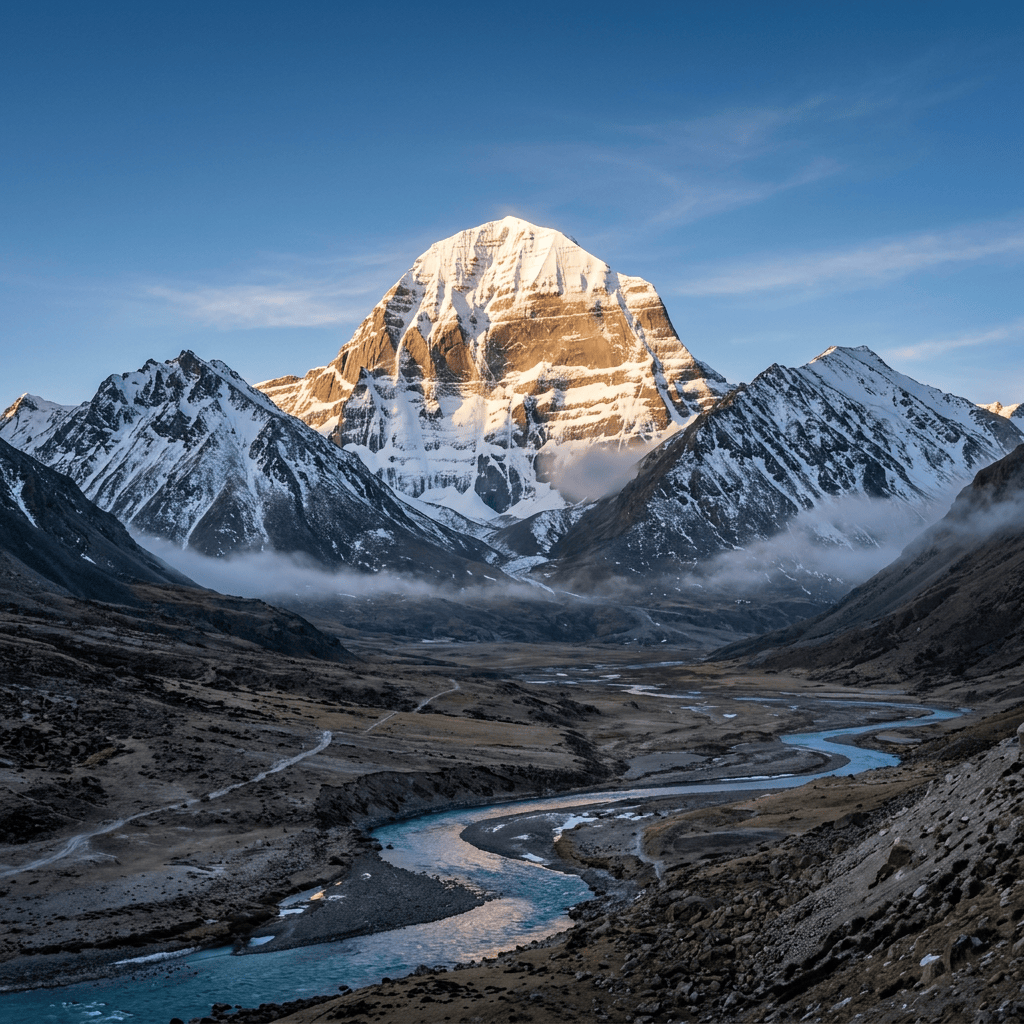
Mount Kailash is one of the most sacred and mysterious mountains in the world. In Hindu tradition, it is regarded as the abode of Lord Shiva and is deeply connected with spirituality, devotion, and ancient beliefs. The mountain is also known for its distinctive four-sided appearance and the many mysteries and legends surrounding it.
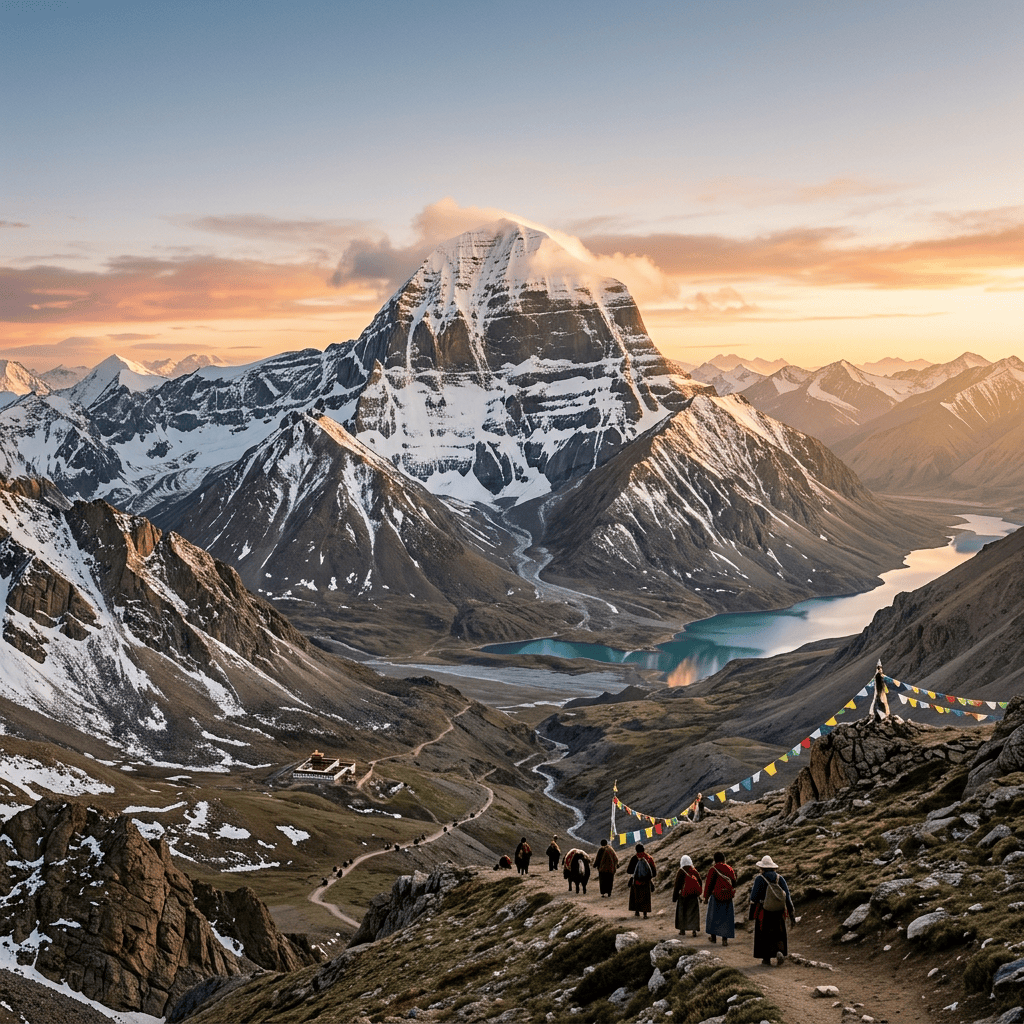
For centuries, Mount Kailash has attracted the attention of pilgrims, spiritual seekers, and travellers. Many devotees believe that the mountain carries powerful spiritual energy that can bring inner transformation and change a person’s life.
Naam Jaap and Kailash Parikrama
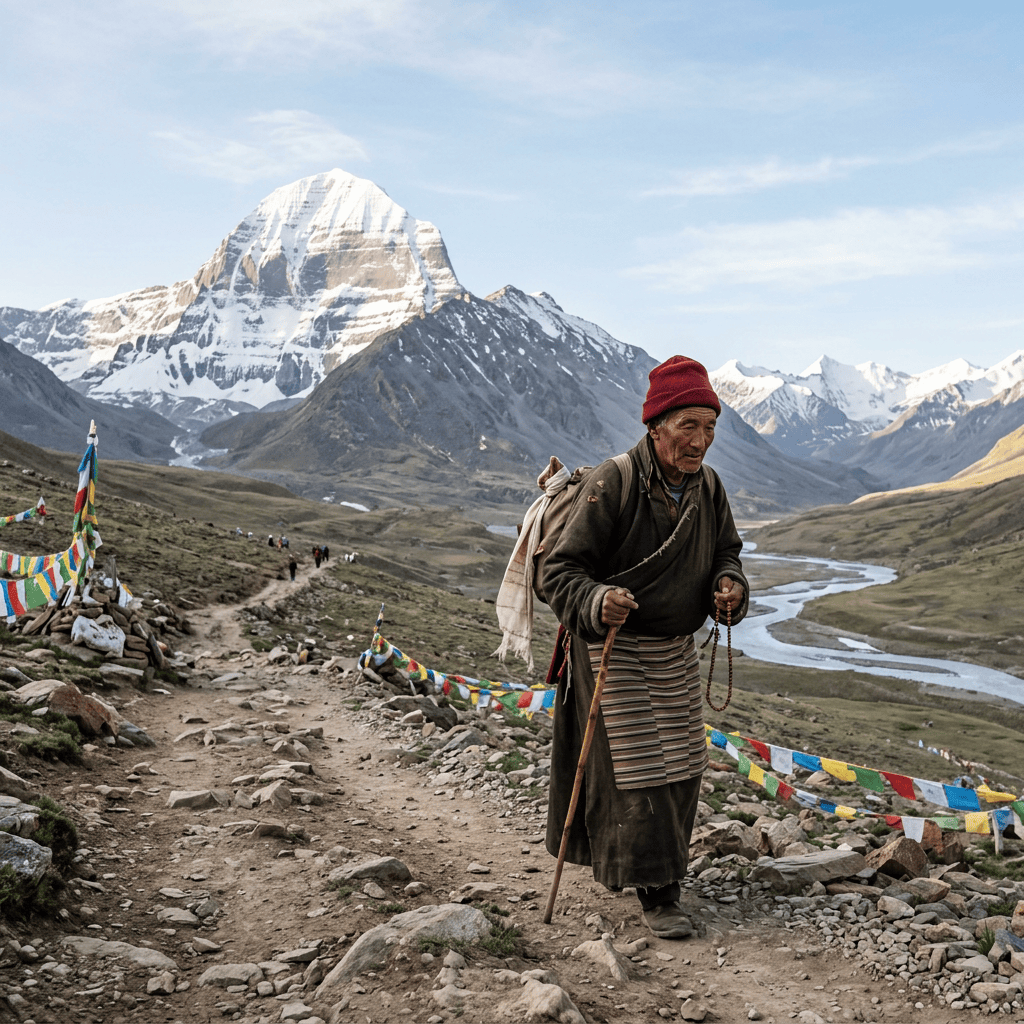
The Kailash Parikrama, also known as Kora, is a sacred journey around Mount Kailash.
Devotees often perform Naam Jaap during the Parikrama. Many believe that chanting God’s name in the sacred surroundings of Kailash has a deeper spiritual impact and helps strengthen devotion, faith, and inner peace.
These experiences are deeply personal and are understood through faith and spirituality.
The Mystery of Time at Mount Kailash
One of the fascinating stories associated with Mount Kailash is the belief that time may behave differently around the mountain. There are also stories claiming that hair and nails appear to grow unusually quickly during the journey.
These claims are part of the mysteries and stories surrounding Kailash, but they have not been scientifically proven. The extreme altitude, cold temperatures, physical exhaustion, dehydration, and other environmental conditions can affect the human body in different ways.
Location of Mount Kailash
Mount Kailash rises to approximately 6,638 metres (21,778 feet) above sea level and is located in the western part of Tibet.
The mountain lies within the Tibetan Plateau and is surrounded by a landscape that has been considered sacred for thousands of years.
Has Anyone Climbed Mount Kailash?
Mount Kailash has never been successfully climbed in modern times. Climbing the mountain is also strongly restricted because of its enormous religious significance to several traditions.
According to Tibetan Buddhist tradition, Jetsun Milarepa, an 11th-century Buddhist yogi and spiritual master, is said to have reached the summit through his extraordinary spiritual abilities.
The story of Milarepa is part of Tibetan Buddhist tradition and is best understood as a spiritual and religious account rather than a scientifically verified mountaineering record.
Lake Mansarovar
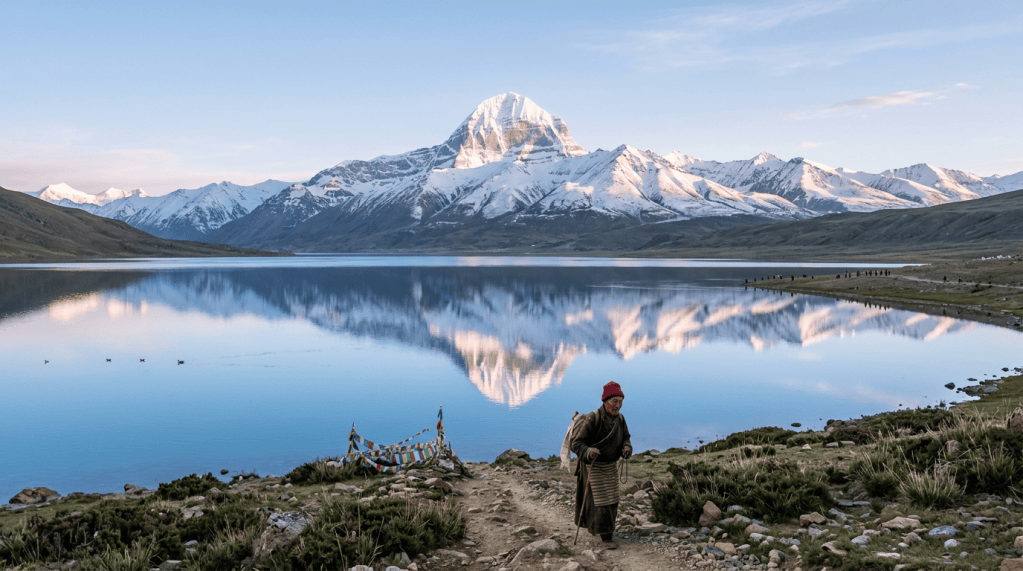
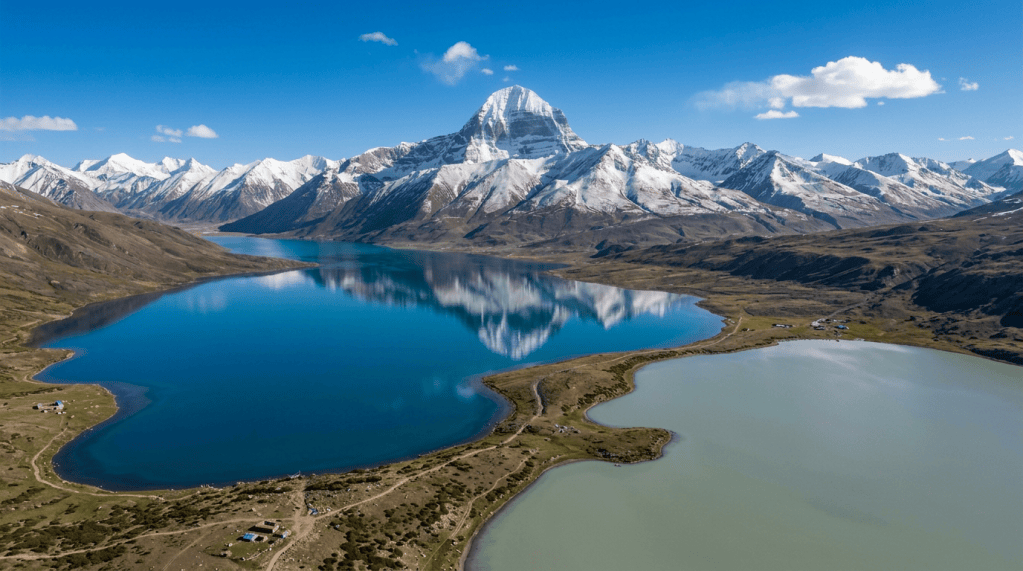
Near Mount Kailash lies Lake Manasarovar, one of the world’s highest freshwater lakes. It sits at an elevation of approximately 4,590 metres above sea level.
The lake is admired for its clear freshwater, beautiful surroundings, and distinctive shape. For devotees, Manasarovar represents purity, divinity, spiritual cleansing, and enlightenment.
Despite the harsh environment and high altitude, the area around the lake supports a natural ecosystem that includes birds, fish, and vegetation.
The Divine Lights of Mansarovar
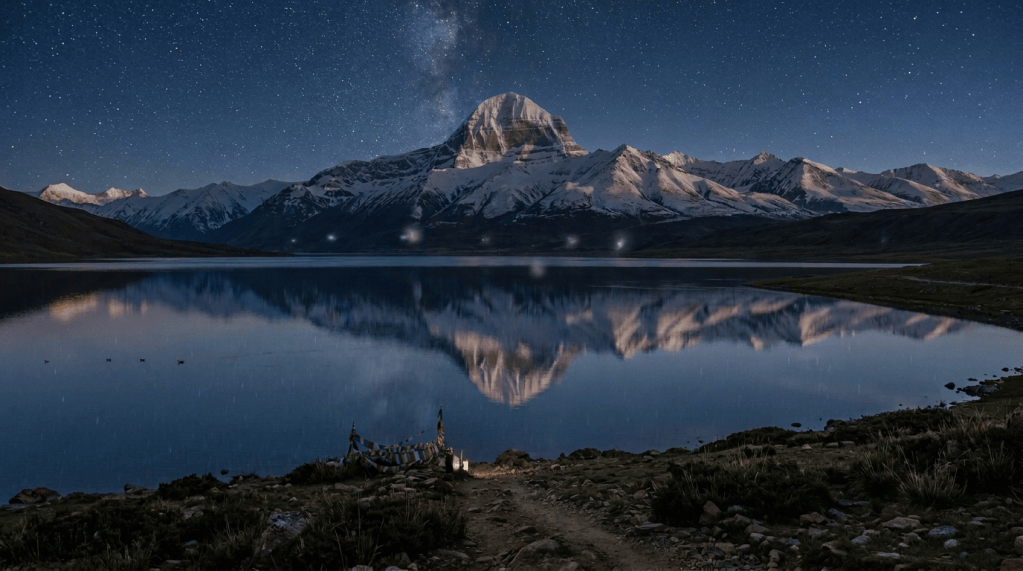
There are ancient beliefs that during Brahma Muhurat, the sacred early hours before sunrise, Devas, Devis, and the Saptarishis, the seven great sages, descend from the heavens to take a holy bath in Lake Mansarovar.
Some people have also described seeing mysterious or moving lights around the lake. Within spiritual traditions, these lights may be interpreted as signs of divine beings visiting the sacred waters.
However, such experiences can also have natural explanations, including reflections, atmospheric conditions, or distant sources of light. The spiritual interpretation remains a matter of personal faith and belief.
Rakshastal — The Lake of Demons
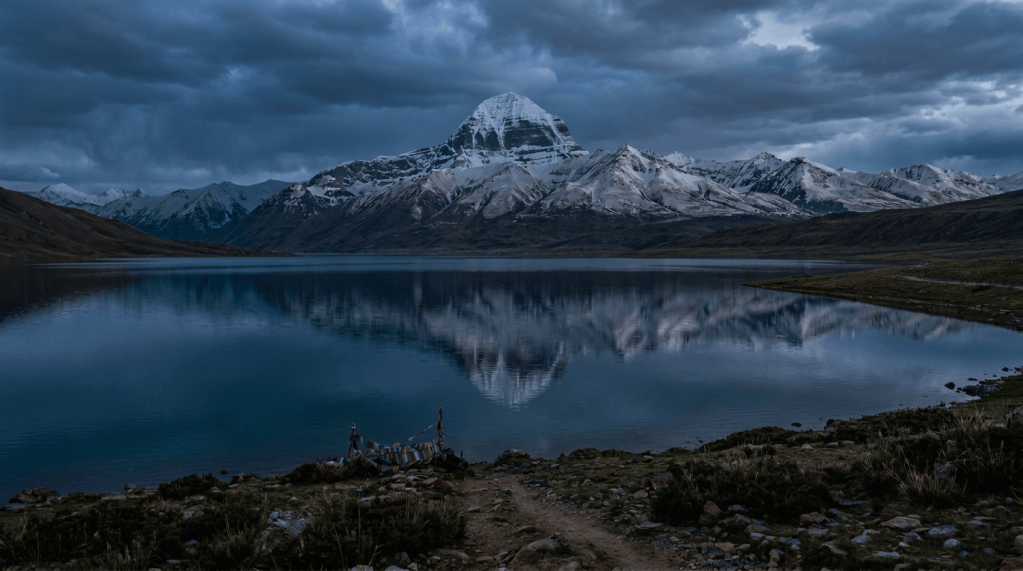
Close to Lake Mansarovar is Rakshastal, a striking crescent-shaped lake located at approximately 4,575 metres above sea level.
Unlike the freshwater of Mansarovar, Rakshastal contains saline water. In Hindu mythology, it is traditionally associated with Ravana, the legendary king of Lanka and a devoted follower of Lord Shiva.
According to the legend, Ravana performed severe penance and worshipped Lord Shiva at this sacred location in the hope of receiving his blessings.
Because of these stories, Rakshastal is traditionally associated with power, darkness, austerity, and the mysterious side of spirituality.
The contrast between the two lakes is especially fascinating. Mansarovar is traditionally connected with purity and divine energy, while Rakshastal represents the darker and more challenging aspects described in mythology.
The Deeper Meaning of Mount Kailash
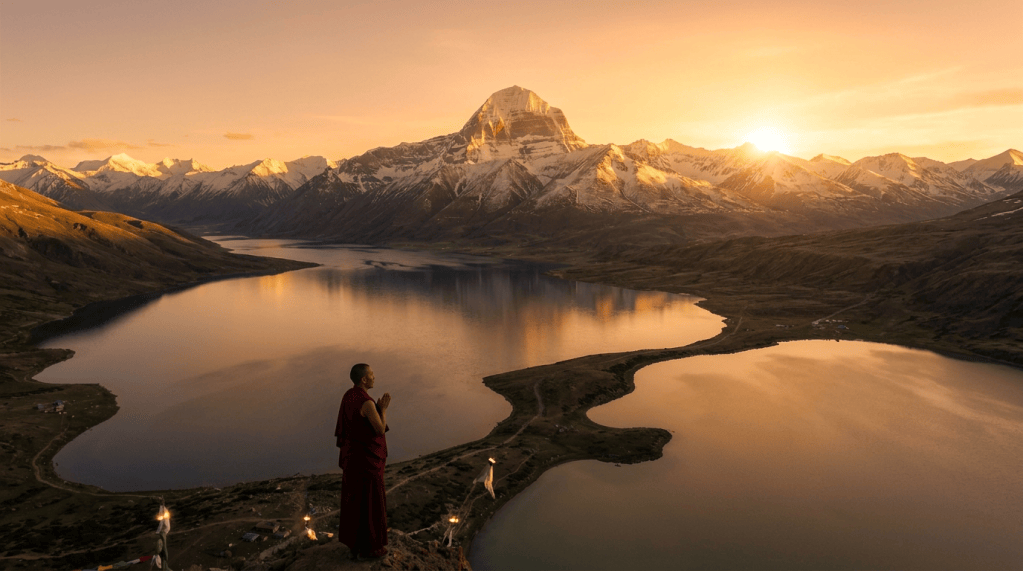
Mount Kailash represents something far beyond a physical mountain.
For devotees and spiritual seekers, it can represent faith, consciousness, devotion, surrender, and the search for inner peace.
Whether you look at Kailash through the eyes of spirituality, mythology, nature, or history, its mystery continues to inspire people around the world.
Perhaps the greatest mystery of Mount Kailash is not only what lies around the mountain, but what a person discovers within themselves during the journey.
Enjoyed this journey through Mount Kailash?
Subscribe to The Soulful Jott Luxurious for more sacred places, spiritual stories, healthy recipes and fascinating discoveries.


Leave a Reply